


Filters
4 products


The Slazenger Hardcourt tennis ball.The Slazenger Hardcourt Tennis Ball uses the Tour Core for tough play and the Hyd...


The Slazenger Wimbledon Tennis Ball uses the Tour Core technology for tough play. A Can has 4 balls. The Slazenger ...
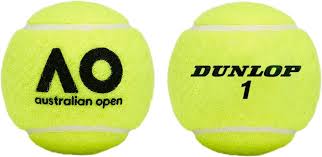
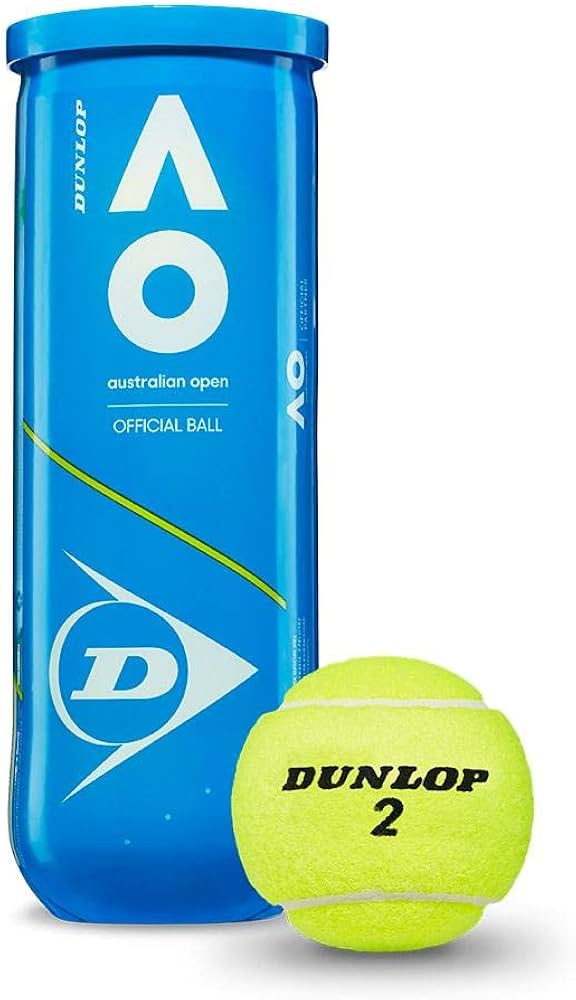

The Dunlop AO tennis ball.The Dunlop AO (Australian Open) Tennis Ball is the Official Ball at the Australian Open. U...


The Wilson Roland Garros Clay Court Tennis Ball.The Wilson Roland Garros Clay Court Tennis Ball is for play on Clay c...
Tennis balls are the felt-covered rubber balls used to play tennis, sized and weighted to strict ITF standards for consistent bounce and speed. They come in different types (pressurized or pressureless) and duty levels (regular or extra) to suit different play styles and court surfaces.
Tension 24 stocks Wilson, Dunlop and Slazenger tennis balls in either boxes or in single cans.
Frequently asked questions
What tennis balls should a beginner buy?
Beginners are often best starting with pressureless tennis balls. They're more durable, cost-effective, and give a consistent bounce over a longer period, without needing regular replacement. As your game develops, standard pressurized balls better match the speed and feel used in club or competitive play.
How often should you replace tennis balls?
Pressurized tennis balls lose bounce once the can is opened, even without play, so competitive players often replace them every few sets. Recreational players can usually get several sessions from a can before noticing reduced bounce. Pressureless balls last much longer, often for months of regular play.
Do tennis balls go flat, and can they be "re-pressurized"?
Yes, tennis balls lose internal air pressure over time, becoming "flat" with reduced bounce, a process that starts as soon as the can is opened. Specialised pressuriser tubes or tanks can restore lost pressure and extend a ball's usable life, though most recreational players simply replace balls once flat.
Are all tennis balls the same, or do they differ by court surface
Tennis balls do differ by court surface. Regular duty balls have thinner felt suited to softer surfaces like clay and indoor courts, while extra duty balls use thicker, more durable felt built to withstand the abrasive texture of outdoor hard courts without wearing out as quickly.
What's the difference between pressurized and pressureless tennis balls?
Pressurized balls have compressed air inside a rubber core, giving a lively, responsive bounce, but they lose that pressure over time once opened. Pressureless balls use a solid rubber core instead, so they don't need pressure to bounce and last far longer, though they can feel firmer to hit.
What tennis balls should children use?
Children should use the ITF's colour-coded, low-compression balls, matched to their age and court size rather than standard yellow balls. Red suits ages 4-8 on mini courts, orange suits ages 8-10 on three-quarter courts, and green suits ages 9-10+ on full courts, before progressing to standard balls.


